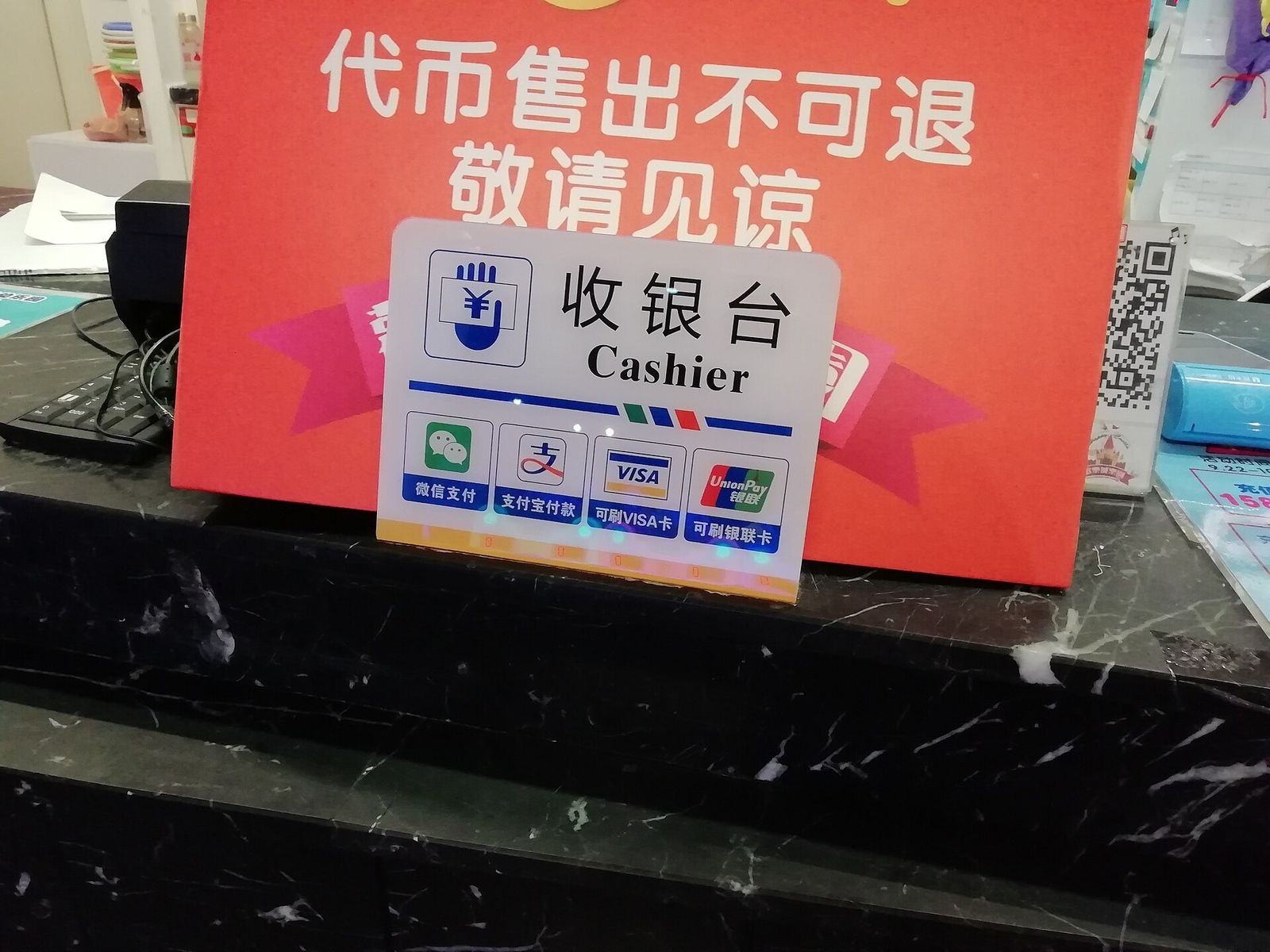
How to Pay in China as a Foreigner: The 2026 Complete Guide
Payment Method Comparison at a Glance
| Method | Works where | Fees | Setup time | Verdict |
|---|---|---|---|---|
| Alipay + foreign card | ~95% of merchants | ~3% on payments over 200 CNY¹ | 10 minutes | Your primary tool |
| WeChat Pay + foreign card | ~95% of merchants | ~3% on payments over 200 CNY¹ | 10 minutes | Backup + mini-apps |
| Physical Visa/Mastercard | Hotels, malls, airports | 1–3% FX | 0 | Carry, don't rely on it |
| Cash (CNY) | Small vendors, markets, some taxis | 0 | — | Keep 300–500 CNY |
¹ Current fee thresholds should be re-checked in the app before travel — Alipay/WeChat adjust them periodically.
Step 1: Set Up Alipay with Your Home Card
- Download Alipay from your app store (the global version works; you can switch the interface to English).
- Register with your home phone number and email.
- Go to Account → Bank Cards → Add Card, and add your Visa, Mastercard, Amex, JCB, or Discover card.
- Verify your identity with a passport photo (Settings → Account → Identity verification). This unlocks payment functions.
- Done. At a store, tap Pay/Scan, or let the cashier scan your QR code.
What to know:
- Transactions under 200 CNY are usually fee-free; larger ones carry a service fee of roughly 3% (the app shows the exact amount before you confirm).
- There are single-transaction and annual spending limits for foreign cards — check the in-app T&C for current numbers.
- Tip: scan the merchant's QR code yourself when possible; street vendors and taxis expect this.
Step 2: Set Up WeChat Pay as a Backup
Full walkthrough with Tencent's fee and limit table: WeChat Pay for foreigners (2026).
- Download WeChat, register, then go to Me → Services → Wallet → Cards → Add a Card.
- Add your foreign card (WeChat opened international card binding in July 2023).
- Verify with passport information when prompted.
- Use WeChat Pay for merchants, plus its mini-programs — Didi (taxis), 12306 (trains), hotel check-ins, and bike shares all live inside WeChat.
Step 3: When You Still Need Cash or a Physical Card
- Card acceptance at physical stores is patchy: foreign cards work at fewer than 45% of POS terminals in Beijing, Shanghai, Guangzhou, and Shenzhen (TTG China, May 2026). Large hotels, malls, and airports are fine — a noodle shop may not be.
- Get cash: withdraw CNY at ATMs of major banks (Bank of China, ICBC, China Merchants Bank) or exchange at the airport. Keep 300–500 CNY for markets, small taxis, and the rare cash-only vendor.
- Legal note: cash is legal tender everywhere; a merchant refusing cash is breaking the rules — but in practice, QR payment is what's expected.
Step 4: What NOT to Bother With
- Apple Pay / Google Pay: effectively don't work in China (Apple Pay via UnionPay only, rarely for foreigners).
- Digital yuan (e-CNY): works, but adds nothing over Alipay/WeChat for a tourist.
- Prepaid tourist cards (e.g., old TourPass): obsolete — direct foreign-card binding replaced them.
Step 5: Get Your Tax Refund on the Way Out
- China rolled out instant tax refunds on departure ('buy now, refund now') nationwide.
- Over 3,400 merchants support it; look for the tax-refund sign when shopping.
- Trip.com publishes a global tax-refund map to find eligible stores.
FAQ
Do I need a Chinese bank account to use Alipay or WeChat Pay?
No. Foreign cards link directly — no Chinese bank account, no top-up wallet required.
Can I link my US / UK / Australian / Canadian Visa or Mastercard?
Yes — Visa, Mastercard, Amex, JCB, and Discover from 200+ countries are supported. Call your bank first and confirm international online transactions are enabled.
What fees will I actually pay?
Small payments (under ~200 CNY) are usually free. Larger ones carry a service fee around 3%. Your home card may add a foreign transaction fee — use a no-FX-fee card.
How much cash should I carry in China?
300–500 CNY as backup. Most days you'll spend zero cash.
Is it true some places refuse cash?
Yes in practice, though cash is legal tender. QR payment is the default in cities, and even rural markets run on QR codes.
What if my card is declined inside Alipay/WeChat?
Ninety percent of the time it's your home bank blocking the international charge. Call them, authorize it, retry.
Can I use payment apps without mobile data?
Mostly no — QR payments need data. Get an eSIM before arrival (see our China eSIM guide) so you're connected from touchdown.
Is paying by QR safe?
Yes. China's QR networks are highly regulated; the main risk is scamming in the form of fake QR stickers — always confirm the amount on your screen before confirming.
Planning tools we recommend
We may earn a commission if you book through these links - disclosure.
Planning a trip? Get a free itinerary check.
Tell us your dates and interests - we reply within 24 hours with route ideas and honest budget numbers.
Get My Free Itinerary Check